
Acreage & Land
Acreage & Land for Sale in the Treasure Valley, Idaho
Buying acreage, land or a home on acreage in the Treasure Valley? What to check on wells, water rights, access, zoning and financing, and where to look.
Buying acreage in the Treasure Valley is different from buying a house on a city lot. The land comes with its own water, its own waste system, its own access and its own rules, and each one can change what a property is worth to you. Angela and Dave Bates of Bates Home & Ranch help buyers look at acreage, bare land and homes on acreage across Southwest Idaho, and this guide walks through what they check before you commit.
Wells, Septic, Water Rights and Irrigation
Most rural properties in Ada, Canyon and Gem counties run on a private well and a septic system. Neither is visible from the driveway, so both deserve real attention during your inspection period.
- Well: ask for the well log, depth, age of the pump and pressure tank, and any past water tests. A flow test and a water quality test (bacteria, nitrates and arsenic are common requests) give you a clear picture.
- Septic: ask for the permit, tank size, drain field location and pumping history. A septic inspection, ideally with the tank pumped, can catch problems early. Permits are handled by the local public health district.
- Planned additions: if you want to add a shop bathroom, a second dwelling or more bedrooms, ask the health district whether the existing system or lot can support it.
Irrigation is where Treasure Valley acreage gets specific. Much of the valley is watered by canals and ditches fed by the Boise and Payette rivers, and many parcels carry surface water rights delivered through an irrigation district. Some properties have pressurized irrigation, others use flood or gravity irrigation from a ditch, and some have no irrigation water at all.
- Confirm with the irrigation district which water rights or shares go with the parcel and what the annual assessment is.
- Find out how and when water is delivered, who maintains the ditch or headgate, and whether neighbors share a pump or line.
- For well water used beyond household needs, or to research a water right, the Idaho Department of Water Resources is the agency that keeps those records.
Legal Access, Easements, Zoning and Splitting Land
A gravel lane that everyone uses is not the same as legal access. Before you buy, the title commitment should show recorded access to a public road. Read the easements carefully too: irrigation ditch easements, utility lines, shared driveways and road maintenance agreements are all common on rural land.
Zoning decides what you can do with the property: build a home, add a shop or accessory dwelling, keep animals, run a home business, or divide the land later. These rules vary between Ada, Canyon and Gem counties and within each city's area of impact, and they change over time. If splitting the land or adding a second home matters to you, talk with the county planning and zoning office before you write an offer, not after closing. Angela and Dave can help you line up those questions early.
Utilities, Internet, Surveys and Outbuildings
On bare land, the cost of bringing in power, digging a well and installing septic can add up fast. Ask the power company for an estimate on any line extension, and check whether natural gas is available or whether you would rely on propane.
Internet is a real question on acreage. Coverage changes road by road, so check service at the exact address with the providers rather than relying on a map.
A survey is worth considering on almost any acreage purchase. It confirms corners and boundaries, shows where fences sit compared to property lines, and can reveal encroachments or easements that affect how you use the land. Your title company can explain what their policy does and does not cover without one.
Shops, barns, arenas and outbuildings add a lot of value, but confirm:
- Whether structures were permitted through the county building department
- Electrical service, insulation, concrete and door sizes for the equipment you plan to store
- The condition of fencing, corrals, waterers and loafing sheds
How Financing Land Differs From a Home Loan
Financing a home on a few acres can look a lot like a standard mortgage, but larger parcels, bare land and working properties often follow different rules. Lenders look at how much acreage they will count toward the appraisal, whether the property has income-producing use, and whether comparable sales exist nearby. Bare land loans commonly ask for a larger down payment and may carry different terms than a home loan.
Talk with a lender who regularly finances rural property before you start making offers, and ask about appraisal requirements, down payment and any limits tied to acreage or outbuildings. You can run early numbers with the mortgage calculator.
Where to Find Acreage in the Treasure Valley
Rural property shows up across the valley, but a few areas have more of it:
- Kuna: farm ground and acreage homes south toward the Snake River Birds of Prey area.
- Melba: a seed farming town in the Snake River Valley with farmland and larger parcels.
- Middleton: country roads and acreage between Star and Caldwell, along with newer homes.
- Emmett: Payette River valley land with orchards, pasture and hillside parcels.
- Caldwell: farm and acreage property in the surrounding Canyon County countryside, close to wine country.
- Star: open space and acreage on the edges of a growing town.
Acreage also exists around Nampa, Eagle and parts of Boise, though it tends to move quickly and is often surrounded by newer development.
How Angela and Dave Help
Angela and Dave work as a team, so you have two people watching the details that matter on acreage: water, access, zoning questions and the right inspections. They help you build a checklist for each property, point you to the right county office, irrigation district or lender, and keep communication clear from first showing to closing.
Tell them what you need, whether that is a few acres for a shop and garden, irrigated pasture or bare land to build on, through the home search request, or contact Angela and Dave to start the conversation.
Where to look
Towns to explore
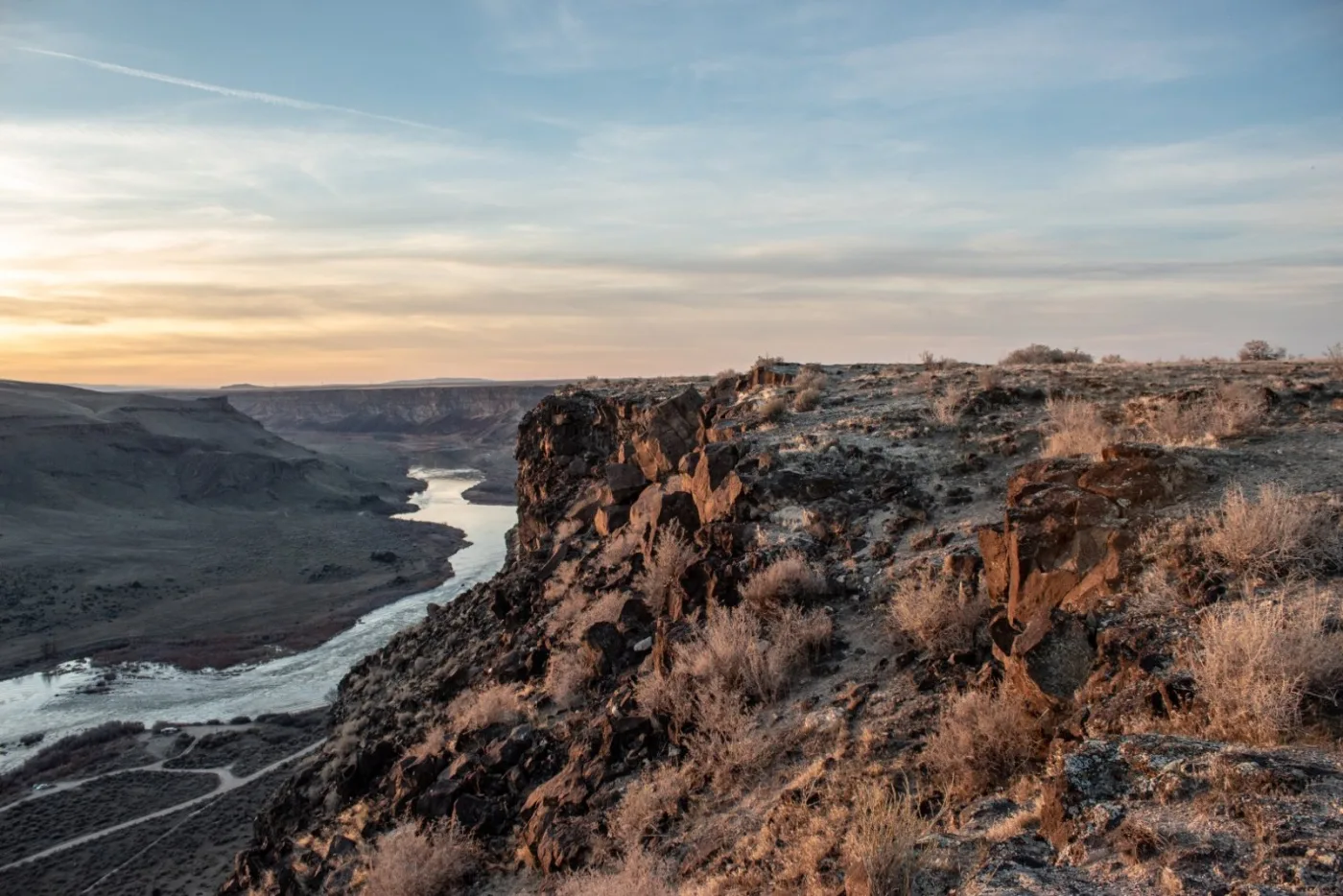 Ada County Kuna
Small-town warmth where the road leads into the Snake River Birds of Prey area.
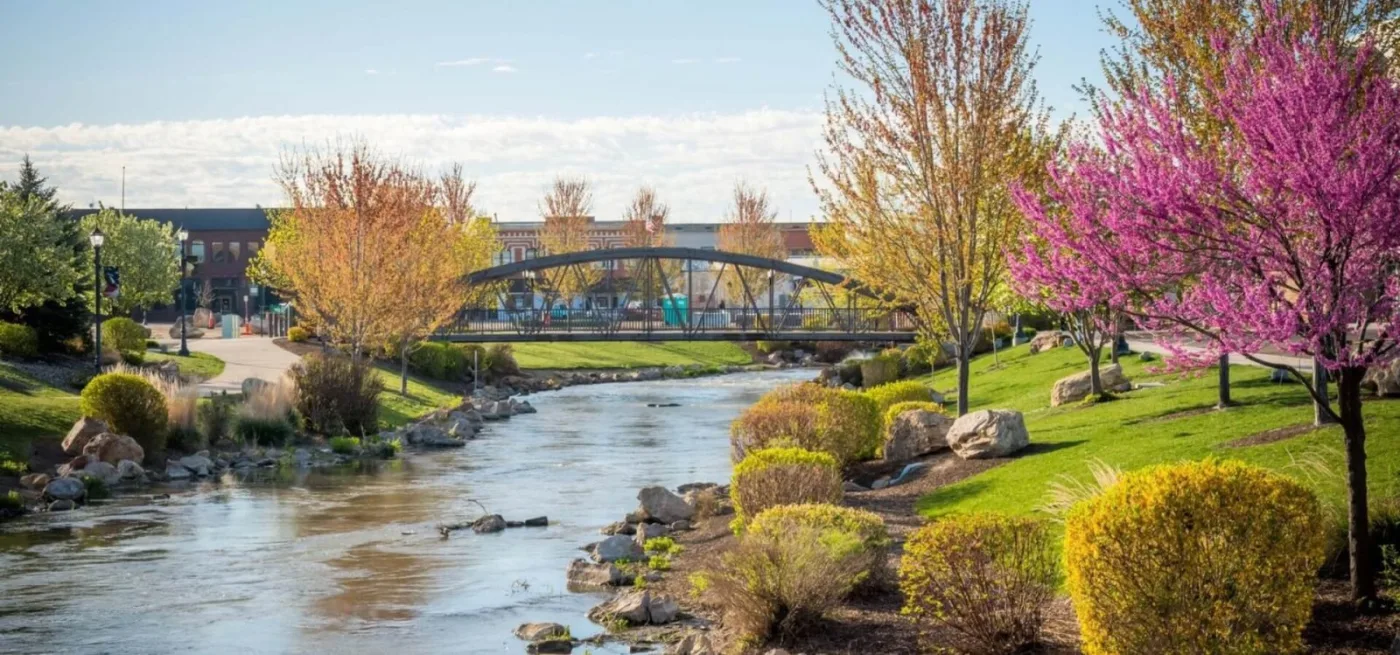 Canyon County Caldwell
The seat of Canyon County, known for its renewed downtown, a historic rodeo and nearby wine country.
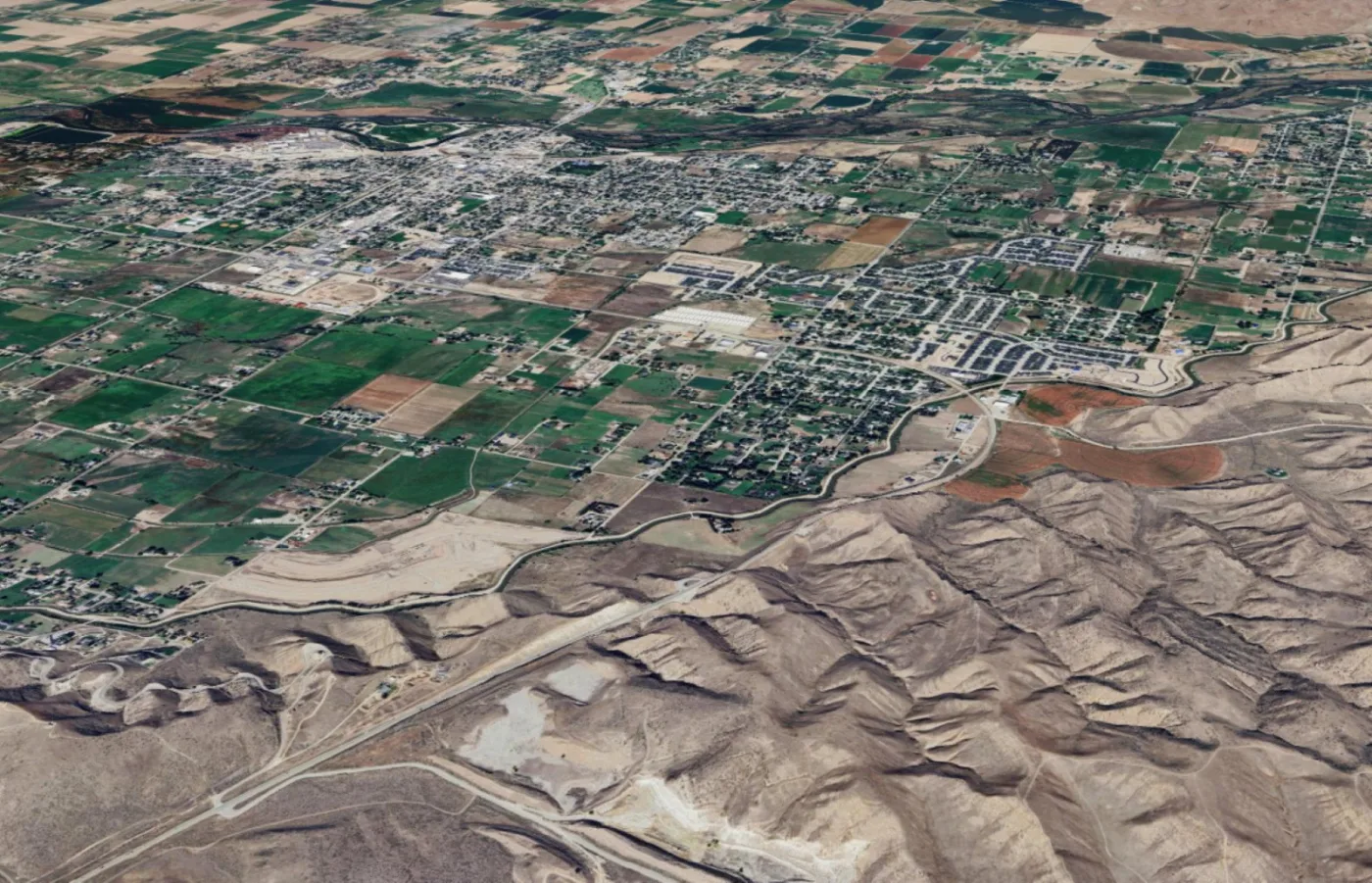 Gem County Emmett
An easygoing Payette River valley town celebrated for its orchards and the Cherry Festival every summer.
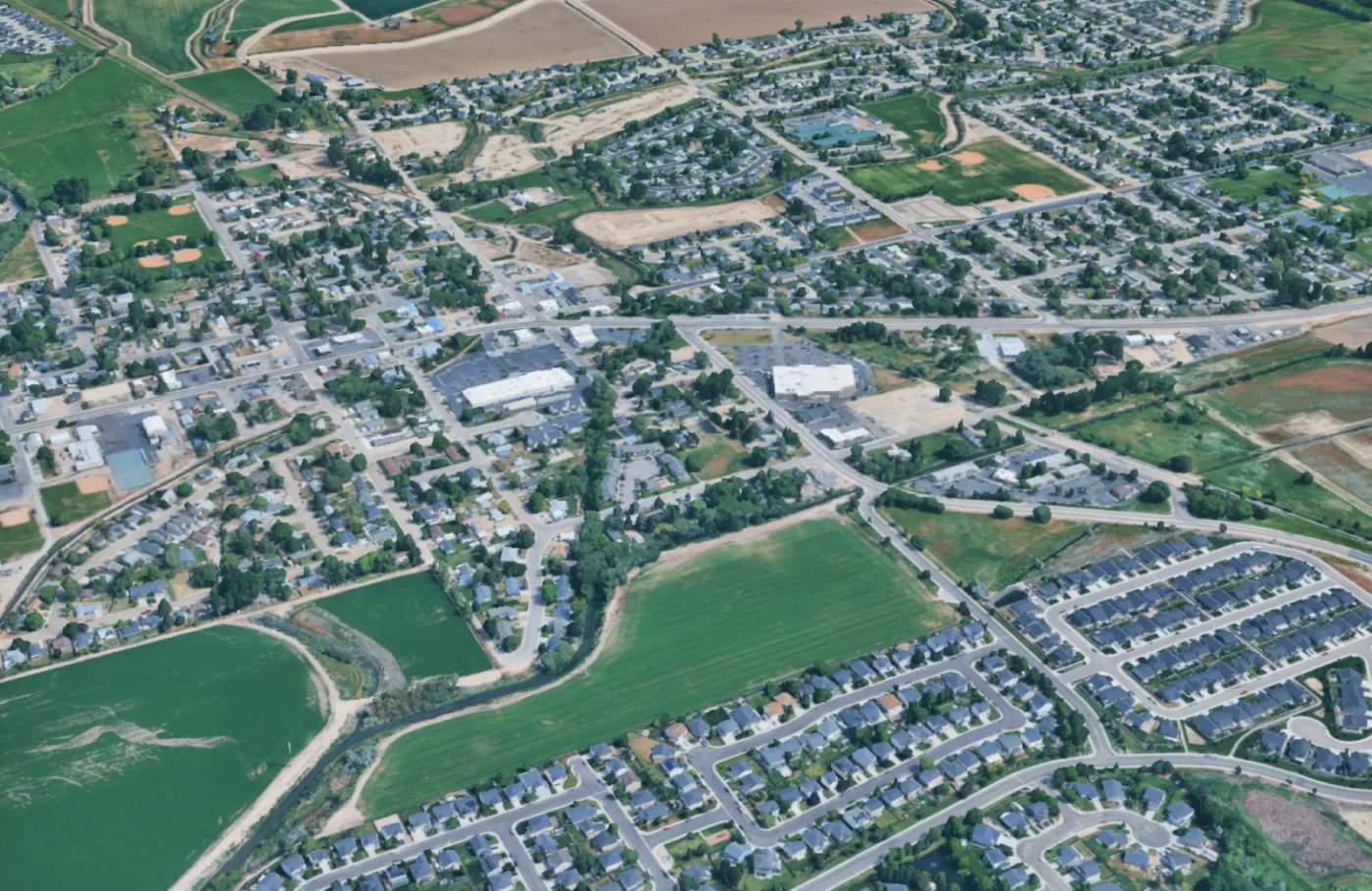 Canyon County Middleton
Newer homes and space to stretch out in a country town set between Star and Caldwell.
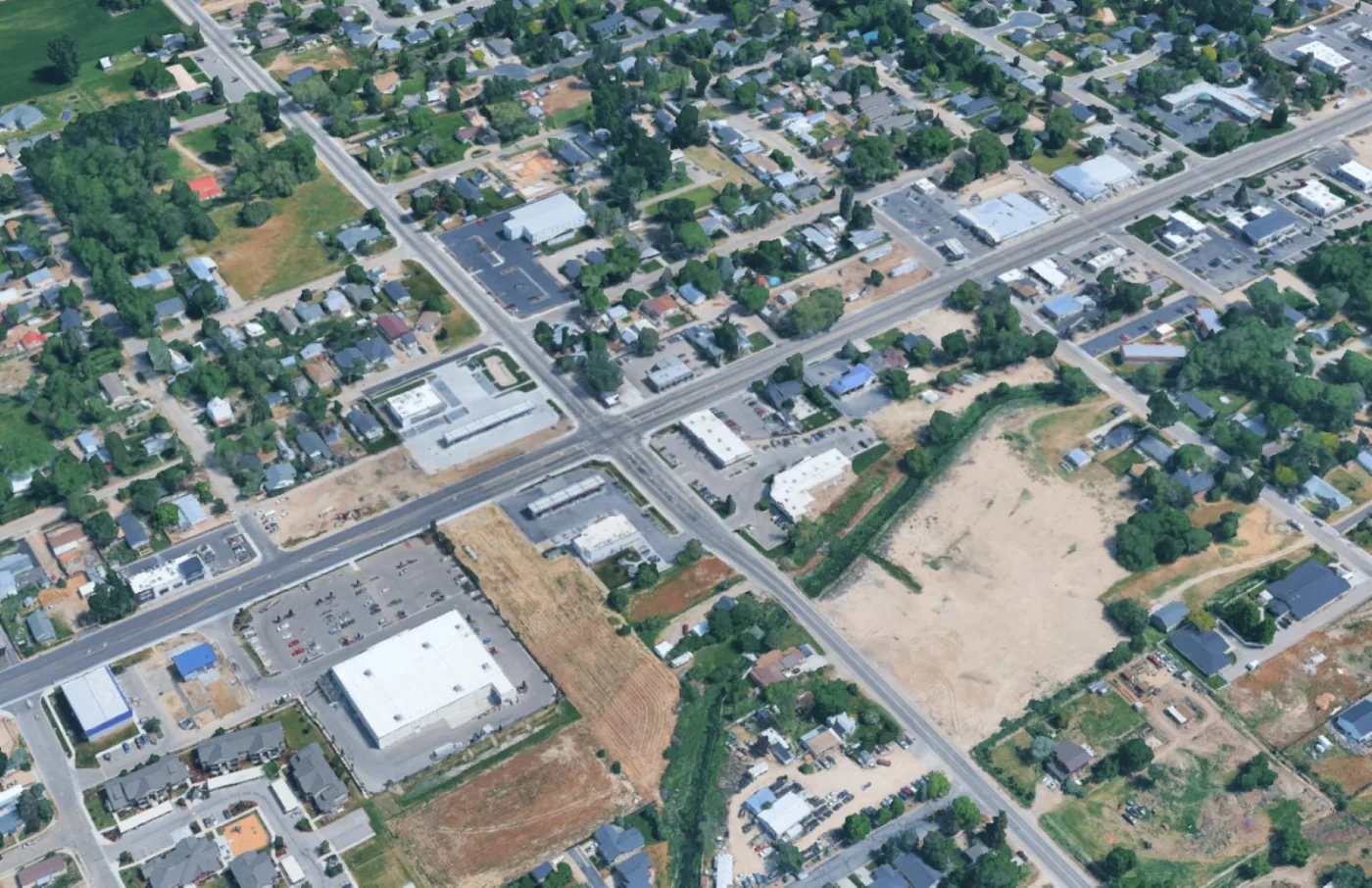 Ada County Star
Newer neighborhoods, open space and a small town that keeps on growing.
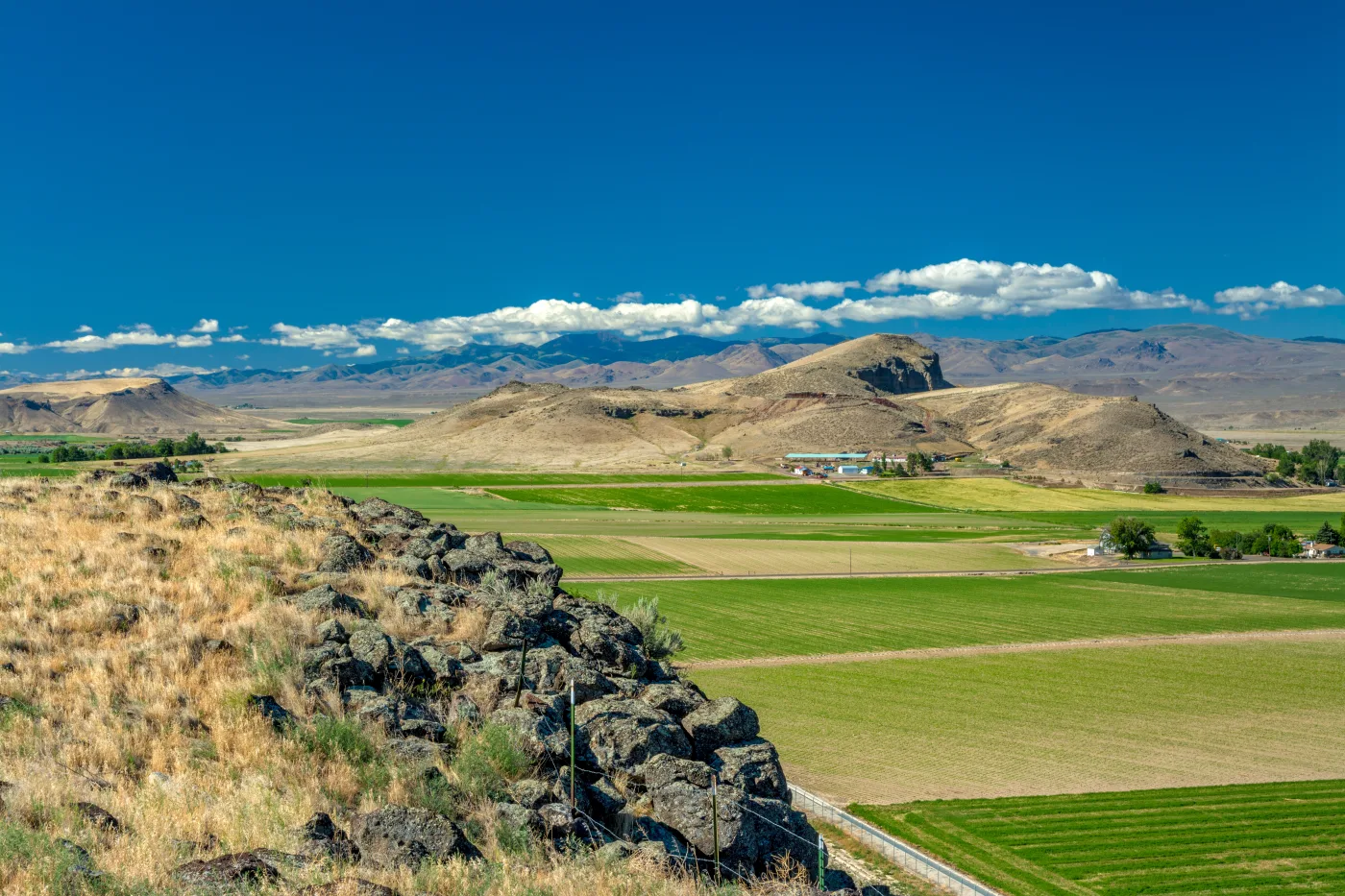 Canyon County Melba
Known as the Seed Heart of America, this small Snake River Valley farm town sits right at the edge of the Morley Nelson Snake River Birds of Prey National Conservation Area.
Frequently asked questions
How do I know if a Treasure Valley property has water rights?
Start with the irrigation district that serves the parcel; they can tell you what water rights or shares are attached and what the yearly assessment is. The Idaho Department of Water Resources keeps records on water rights and wells. Angela and Dave can help you request this information during your due diligence.
Can I split my acreage into smaller lots later?
It depends on the zoning, the county or city rules, and access, water and septic requirements. These rules differ between Ada, Canyon and Gem counties and can change. Check with the county planning and zoning office before you buy if dividing the land is part of your plan.
What inspections should I get on a home with a well and septic?
Most buyers order a well flow test, a water quality test and a septic inspection in addition to the general home inspection. If the property has a shop, barn or arena, have those looked at as well. A survey is also worth considering to confirm boundaries.
Is it harder to get a loan for land than for a house?
Often, yes. Bare land and larger parcels are usually financed differently than a standard home loan, and lenders may ask for a larger down payment or limit how much acreage counts in the appraisal. Talk with a lender experienced in rural property before you make offers.
Which Treasure Valley towns have the most acreage?
Kuna, Melba, Middleton, Emmett, Caldwell and Star are good places to start, with farm ground, pasture and acreage homes around each. Availability changes, so a saved home search helps you hear about new listings quickly.
Let’s talk about what you’re looking for
Reach out for honest, no-pressure advice from someone who knows the area.