Horse Property
Horse Property for Sale in the Treasure Valley, Idaho
Buying horse property in the Treasure Valley? What to check on water rights, irrigation, zoning, fencing and barns, and where to look.
Horse property in the Treasure Valley can mean many things: a few fenced acres outside Kuna, an irrigated pasture near Middleton, or a working setup with a barn and arena in the farm country around Melba or Emmett. The listing photos rarely show what matters most for keeping horses. That is water, zoning, the condition of the fencing, and how the property gets through a dry August and a frozen January. Here is what to look at before you make an offer, and how Angela and Dave of Bates Home & Ranch help you sort it out.
Pasture, Irrigation and Water Rights
Southwest Idaho is high desert. Without irrigation water, most pasture here turns brown by midsummer. Much of the green you see across Ada, Canyon and Gem counties comes from surface water delivered through canals, ditches and laterals during the irrigation season, managed by irrigation districts and canal companies. A property with good water can carry grass through the summer. A property without it may mean buying hay year-round.
Idaho water rights are their own legal property and follow a first-in-time system. The Idaho Department of Water Resources keeps the records. When you look at a property, find out exactly what water comes with it and how it is delivered.
- Ask whether the property has irrigation water, from which district or canal company, and whether assessments are current.
- Ask for any water right numbers and confirm them with the Idaho Department of Water Resources.
- Learn how water reaches the pasture: flood or furrow irrigation, a pump and sprinkler system, or pressurized irrigation shared with neighbors.
- Walk the ditches, headgates and pipes. Ask who maintains shared ditches and what the delivery schedule looks like.
- If the house runs on a well, ask for well records and consider a water test. Confirm with the state whether a well can also be used for livestock or irrigation.
- Look at the pasture itself: weeds, bare spots, drainage and whether it has been overgrazed.
Your title company and the irrigation district can help confirm what transfers with the sale. Angela and Dave make sure these questions get asked early, not the week before closing.
Zoning and How Many Horses a Property Allows
Whether you can keep horses, and how many, is set by the county or city with jurisdiction, not by the listing. Rules can differ between Ada, Canyon and Gem counties, and a property inside city limits or in an area of city impact may follow city rules instead. Some neighborhoods also have CC&Rs or HOA rules that limit or ban livestock even when zoning allows it.
- Confirm the zoning with the county or city planning and zoning office, and ask how animals are counted on that parcel.
- Ask whether barns, shelters or arenas need permits and setbacks from property lines, wells and ditches.
- Read any CC&Rs or HOA documents before you commit.
- If you plan to add buildings or split land later, ask planning and zoning before you buy.
Fencing, Barns, Shelters and Arenas
Good fences and sound buildings can save you a lot of time and money. Walk every fence line and look closely at the structures.
- Fencing: Look for safe, visible fencing suited to horses, such as pipe, rail, no-climb wire or electric. Check for barbed wire, loose posts and gaps by ditches and gates.
- Barns and shelters: Check roofs, drainage, ventilation, stall size and power. A run-in shelter that faces away from prevailing winds makes a difference in winter.
- Arenas and round pens: Ask about footing, drainage and how dust is handled in summer.
- Utilities: Note water hydrants near paddocks, outlets for tank heaters, and lighting for winter evenings.
- Access: Make sure a truck and trailer can turn around, and that hay and feed deliveries can get in.
A property inspection covers the house. For outbuildings, wells and septic, Angela and Dave can help you line up the right specialists.
Trails, Hay, Vet Care and Winter
Part of the appeal here is open public land nearby. South of Kuna and Melba, the Morley Nelson Snake River Birds of Prey National Conservation Area is managed by the Bureau of Land Management. The Boise Foothills and the Owyhee Front are other well-known riding areas. Trailhead parking, seasonal closures and trail rules change, so check with the managing agency before you count on a route.
- Hay storage: Look for a covered, ventilated space off the ground with room for a winter supply and a delivery truck.
- Vet and farrier: Ask how far the nearest equine vet is and whether local farriers already serve the area. Neighbors are often the best source.
- Winter care: Plan for frozen troughs, icy gates and short days. Tank heaters, frost-free hydrants and solid footing near shelters help.
- Spring mud: Notice how paddocks drain, and look for gravel or sacrifice areas that keep horses out of the muck.
Where to Find Horse Property in the Treasure Valley
Acreage tends to be easier to find on the edges of the valley's growing cities and in its farm towns.
- Kuna: Rural parcels south and west of town, with roads leading toward the Birds of Prey area.
- Melba: A small Snake River Valley farm town at the edge of the conservation area, with irrigated fields and open land.
- Middleton: Country properties and acreage between Star and Caldwell, near the Boise River.
- Caldwell: Farm ground and acreage around the Canyon County seat, which also hosts a historic rodeo.
- Emmett: Orchards and pasture in the Payette River valley in Gem County.
- Nampa: Rural parcels outside town, including areas toward Lake Lowell.
Each area has its own mix of irrigation districts, zoning and road access, so it is worth comparing specific properties rather than whole towns.
How Angela and Dave Help
Angela and Dave work as a team, so you have two people on your side when a horse property search gets detailed. They help you narrow down the parcels that fit your plans, ask the right questions about water and zoning, point you to the agencies and professionals who can confirm the answers, and keep the process clear from first showing to closing. If you are selling an acreage, they can help you gather the water and permit details that buyers will ask about.
Tell them how many horses you have, what you need for riding and storage, and where you would like to be. Start a home search request or reach out to Angela and Dave to begin.
Where to look
Towns to explore
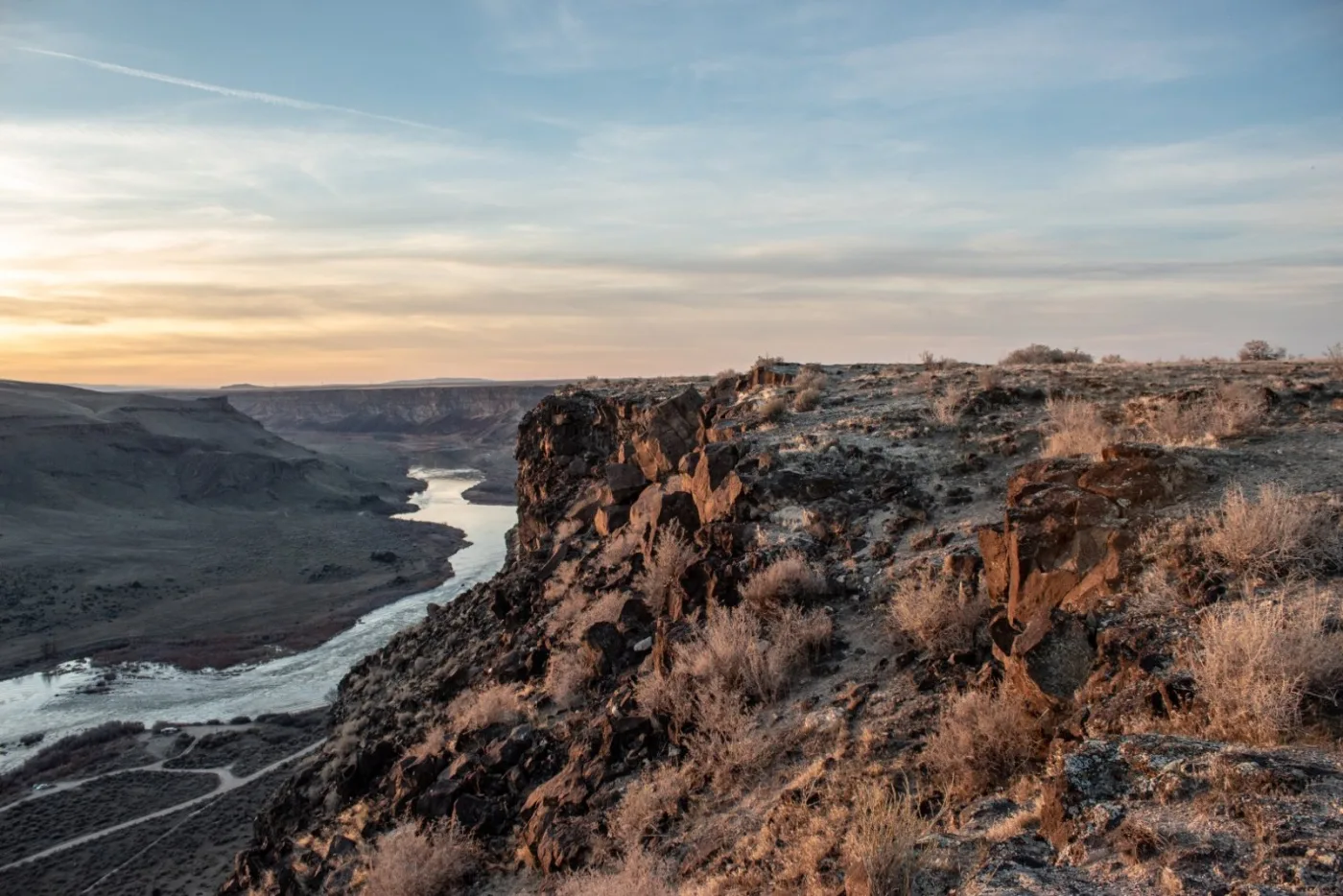 Ada County Kuna
Small-town warmth where the road leads into the Snake River Birds of Prey area.
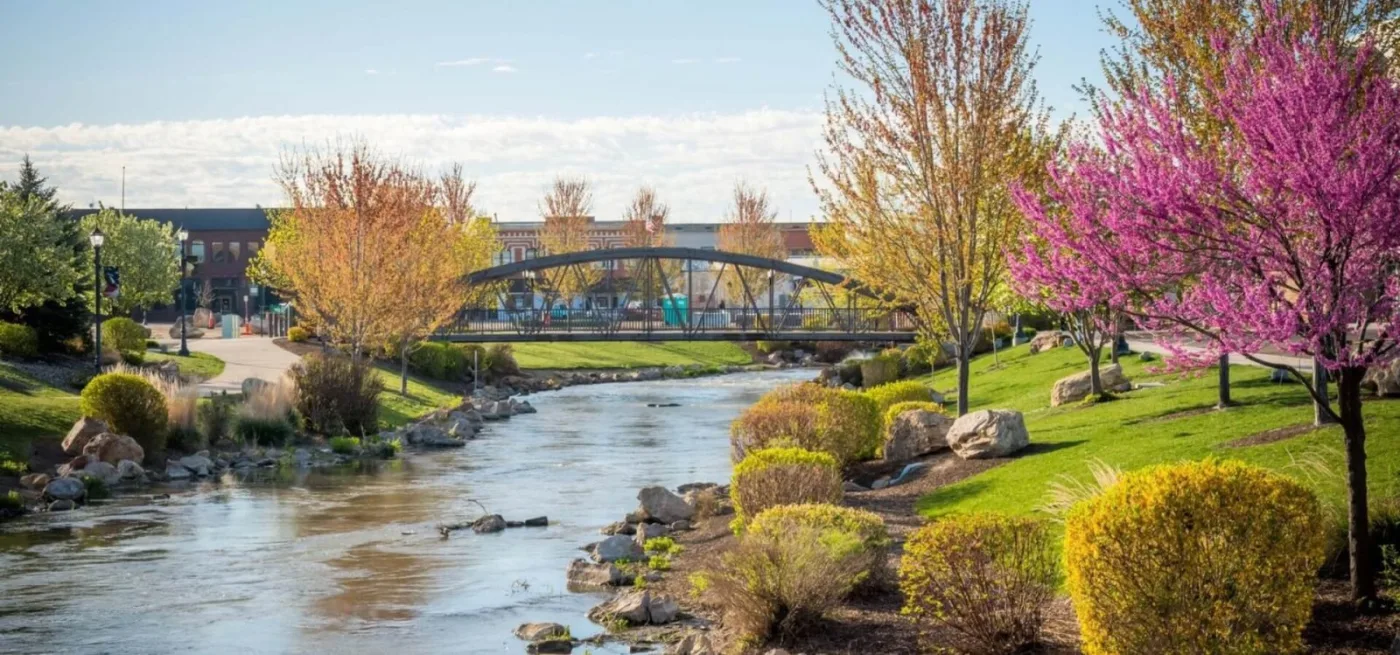 Canyon County Caldwell
The seat of Canyon County, known for its renewed downtown, a historic rodeo and nearby wine country.
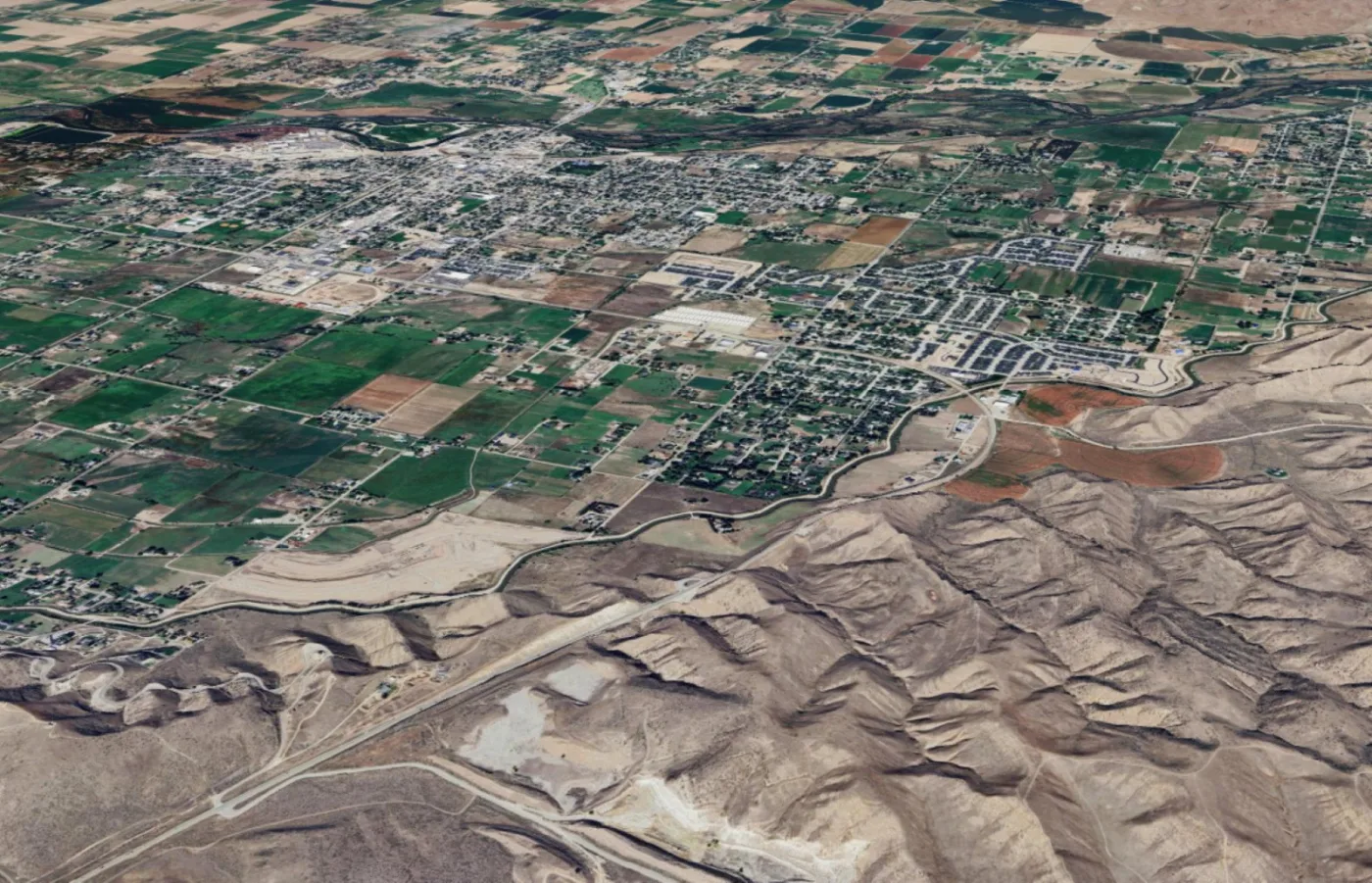 Gem County Emmett
An easygoing Payette River valley town celebrated for its orchards and the Cherry Festival every summer.
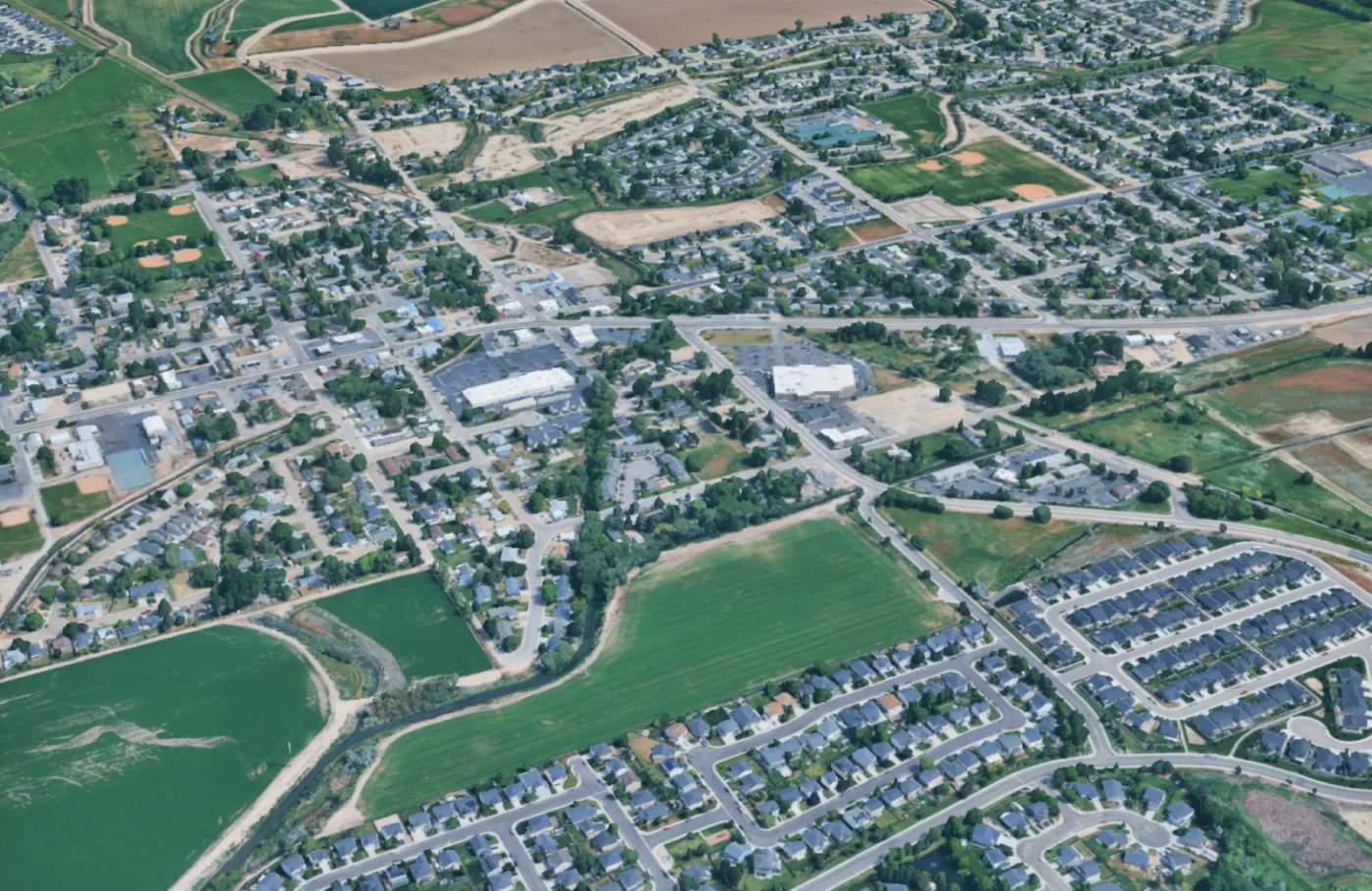 Canyon County Middleton
Newer homes and space to stretch out in a country town set between Star and Caldwell.
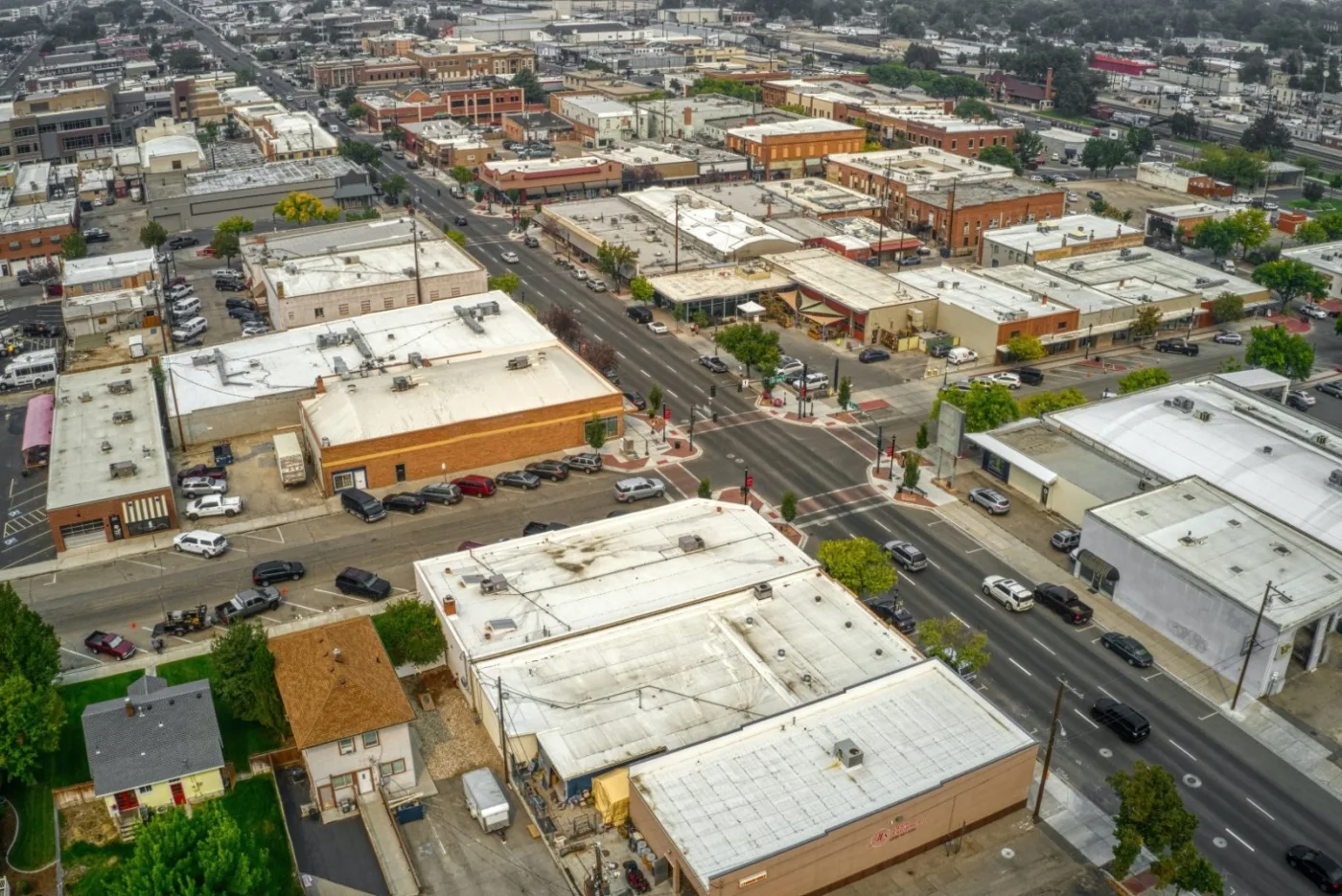 Canyon County Nampa
Historic downtown streets, the shores of Lake Lowell and strong home values in a fast-growing corner of Canyon County.
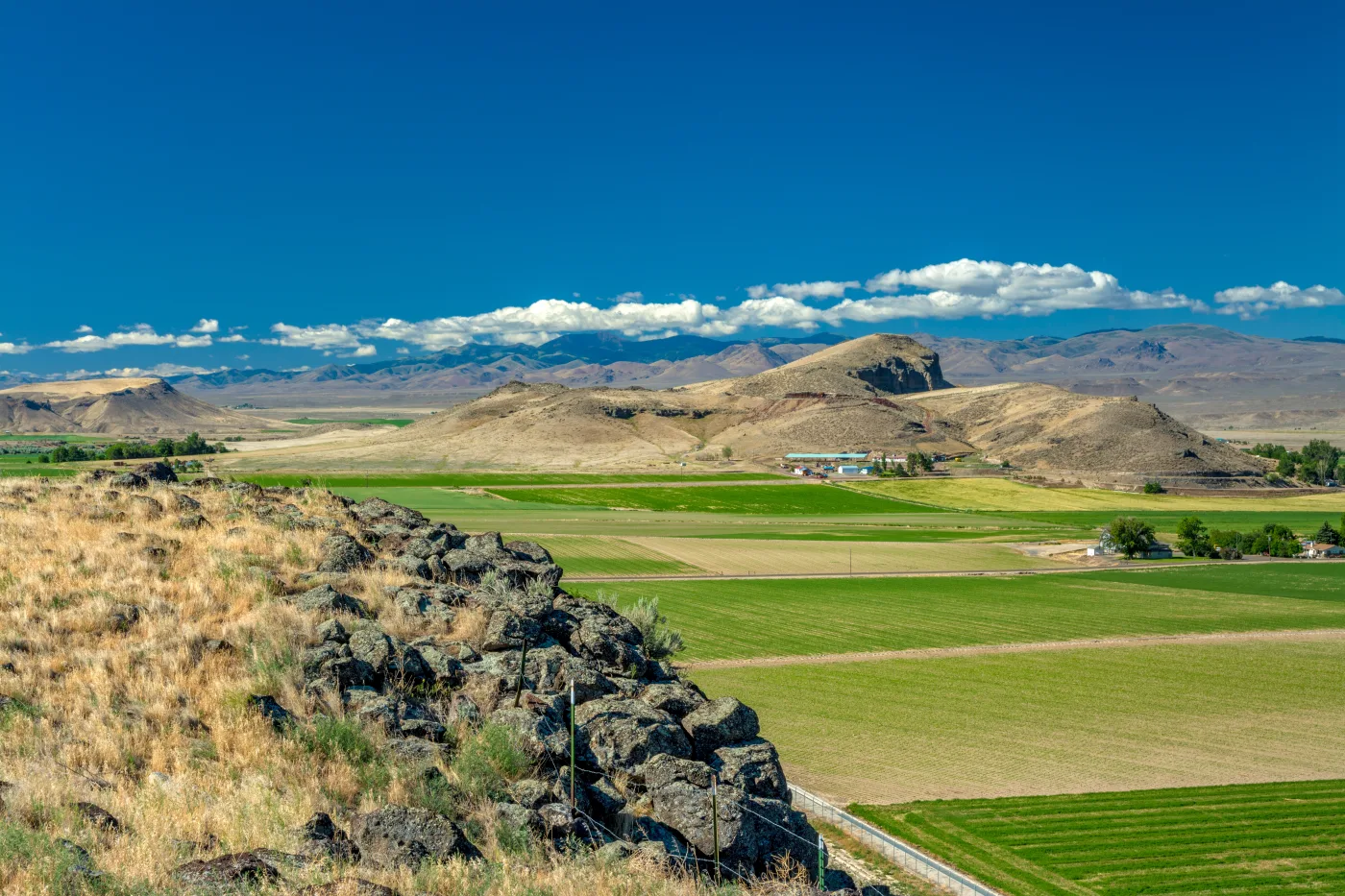 Canyon County Melba
Known as the Seed Heart of America, this small Snake River Valley farm town sits right at the edge of the Morley Nelson Snake River Birds of Prey National Conservation Area.
Frequently asked questions
Does horse property in the Treasure Valley come with water rights?
Some properties do and some do not. Irrigation water may come from a district or canal company, and water rights are recorded with the Idaho Department of Water Resources. Ask the seller for details, confirm with the district and the state, and have your title company review what transfers.
How many horses can I keep on my acreage?
That depends on the zoning set by the county or city with jurisdiction, and sometimes on CC&Rs or HOA rules. Call the planning and zoning office for the specific parcel before you buy, and read any neighborhood documents.
Can I keep a horse property green all summer without irrigation water?
In this high-desert climate, pasture usually needs irrigation to stay productive through summer. Without surface water, you may rely on a well, if allowed for that use, or on buying hay. Confirm with the state before planning to irrigate from a well.
Where can I ride near the Treasure Valley?
Public land such as the Morley Nelson Snake River Birds of Prey National Conservation Area, the Boise Foothills and the Owyhee Front are well-known options. Access points, closures and rules vary, so check with the managing agency, such as the Bureau of Land Management.
Should I get extra inspections on a horse property?
A standard home inspection may not cover wells, septic systems, outbuildings or irrigation equipment. Many buyers add a well and water test, a septic inspection and a closer look at barns and fencing. Angela and Dave can help you decide which specialists make sense.
Let’s talk about what you’re looking for
Reach out for honest, no-pressure advice from someone who knows the area.